Your electrical panel is the heart of your home's electrical system — and like anything that works hard every single day, it doesn't last forever. If you live in Traverse City or anywhere across Northern Michigan and your home is more than a couple of decades old, there's a good chance your panel is quietly working overtime to keep up with modern life.
Most homeowners never think about their electrical panel until something goes wrong. But an aging or undersized panel isn't just an inconvenience — it can be a genuine fire and safety hazard. The good news is that the warning signs are usually easy to spot once you know what to look for. In this guide, Matt Grace and the team at Grace Electric walk you through exactly when it's time to upgrade, why it matters, and what a modern panel upgrade actually involves.
What Your Electrical Panel Actually Does
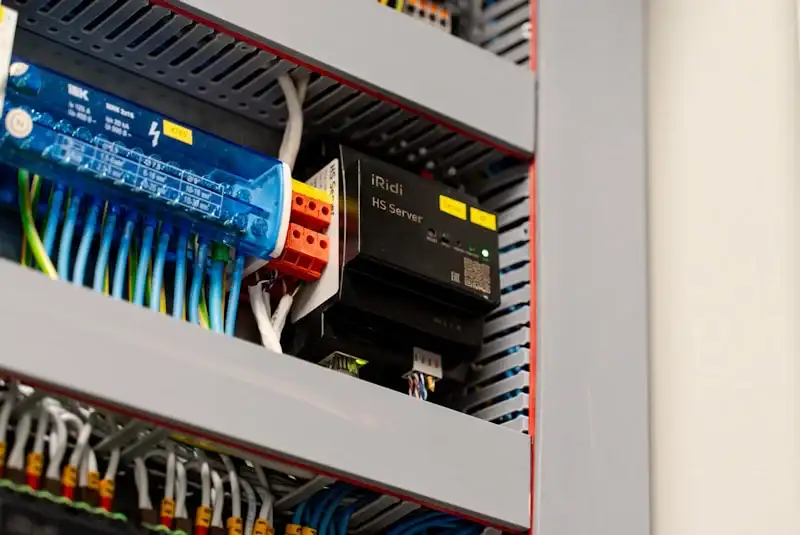
Also called a breaker box or load center, your electrical panel is where power from the utility enters your home and gets distributed to every circuit — your outlets, lights, appliances, heating, and cooling. Each circuit breaker is a safety device designed to trip and cut power before a wire overheats. When your panel is properly sized and in good condition, it does this job invisibly and reliably. When it's overloaded, damaged, or outdated, it can't protect your home the way it should.
Top Signs It's Time to Upgrade Your Panel
If you notice any of the following in your home, it's worth having a licensed electrician take a look:
- Breakers trip frequently. An occasional trip is normal; a breaker that trips again and again is telling you the circuit is overloaded or failing.
- You still have a fuse box. Fuse boxes are often a sign the system is decades old and typically maxes out well below the demand of a modern household.
- Flickering or dimming lights when the furnace kicks on, the microwave runs, or the dryer starts — a classic symptom of a panel struggling to keep up.
- Warm, discolored, or buzzing panels. Heat, scorch marks, or a buzzing hum are serious red flags that need immediate professional attention.
- You rely on power strips and extension cords because you simply don't have enough outlets or circuits for the way you actually live.
- Your panel is a known problem brand. Certain older panels (such as Federal Pacific and Zinsco) are widely recognized as fire risks and should be replaced.
- You're adding major loads — an EV charger, hot tub, workshop, central A/C, or a whole-home generator — that your current panel can't support.
- The panel is 25+ years old or has never been inspected. Age alone is a good reason for a professional evaluation.
Why Traverse City Homes Are Especially Prone to Panel Overload
Northern Michigan has a wonderful mix of housing — historic homes near downtown, lakeside cottages, and newer builds out toward the countryside. Many of these homes were wired for a very different era of electrical demand. A few local realities make panel upgrades especially common around here:
- Older and seasonal homes were often built with 60–100 amp service, which was plenty in 1970 but is stretched thin today.
- Cold winters mean heavy heating loads — space heaters, electric furnaces, heat tape, and heated garages all pull serious power.
- Cottage-to-full-time conversions are common as families move up north permanently, adding year-round appliances the original wiring never anticipated.
- EV adoption is growing, and a Level 2 charger alone can require a dedicated circuit that an older panel simply has no room for.
What Size Panel Do You Need?
For most modern homes, 200-amp service is the standard, and it's what we recommend for the majority of upgrades. It provides comfortable headroom for today's appliances plus room to grow into future additions like a generator or EV charger. Smaller homes may do well with 150 amps, while large homes, detached shops, or properties with heavy electric heating may benefit from even more capacity. The right answer depends on your specific home — which is exactly why an on-site assessment matters more than a rule of thumb.
The Benefits of Upgrading Your Panel
A panel upgrade is one of the highest-value electrical investments a homeowner can make. Here's what you gain:
- Safety. A modern panel with properly rated breakers dramatically reduces the risk of electrical fires and overheating.
- Capacity. Run your appliances, HVAC, and electronics simultaneously without nuisance trips or dimming.
- Future-readiness. Add an EV charger, hot tub, generator, or home addition without another major upgrade down the road.
- Insurance and resale. Many insurers look favorably on updated electrical systems, and buyers notice a clean, modern panel during inspections.
- Peace of mind. Knowing your home's electrical backbone is safe and code-compliant is worth a great deal.
What to Expect During a Panel Upgrade
A professional panel upgrade is a same-day job for most homes. Here's how Grace Electric handles it from start to finish:
- On-site assessment. We evaluate your current service, your usage, and your plans for the future, then provide a clear, upfront estimate.
- Permitting. We handle the local permits and coordinate with the utility so everything is done by the book.
- Installation. We safely disconnect power, install your new panel and breakers, and label every circuit clearly.
- Inspection. The finished work is inspected to confirm it meets the latest National Electrical Code and local requirements.
- Walk-through. We show you your new panel, explain what changed, and make sure you're confident using it.
Not sure whether you need an upgrade? That's exactly what a professional inspection is for. A quick evaluation from a licensed electrician removes the guesswork and tells you precisely where your home stands.
How Much Does a Panel Upgrade Cost, and How Long Does It Take?
Every home is different, so the honest answer is that cost depends on your specific situation. That said, a few factors drive the price of a panel upgrade, and understanding them helps you plan:
- The amperage you're upgrading to — moving to 200 amps is the most common choice and offers the best long-term value.
- The condition of your existing service — the meter base, service entrance cable, and grounding may also need attention.
- Panel location and accessibility — a tucked-away or hard-to-reach panel takes more labor.
- Additional work — correcting old code violations discovered during the upgrade, or adding circuits for new equipment.
For most homes, the upgrade itself is completed in a single day, with a short planned power outage while we make the switch. We always provide a clear, written estimate up front, so there are no surprises — just an honest price for quality work.
Frequently Asked Questions
Can I just add more breakers instead of upgrading?
Sometimes — if your panel has open slots and enough overall capacity. But if the panel itself is undersized, outdated, or a known problem brand, adding breakers only masks the real issue. We'll tell you honestly which situation you're in.
Will my power be out during the upgrade?
Yes, but only for a planned window while we transfer everything to the new panel. We schedule it at a convenient time and work efficiently to keep the outage short.
Do I need a permit?
Yes — panel upgrades require a permit and inspection to ensure the work is safe and compliant. We handle all of that for you, so the finished job is fully documented and to code.
Why Homeowners Trust Grace Electric
Grace Electric is a family-owned, licensed, and insured electrical contractor serving Traverse City and the surrounding counties. When you call, you get straight answers, honest pricing, and work done right the first time. Homeowners across the region choose us because we're:
- Fully licensed, bonded, and insured for your protection
- On-time and respectful of your home and your schedule
- Committed to code-compliant work that passes inspection
- Backed by hundreds of five-star reviews from your neighbors