The older neighborhoods around Traverse City are some of the most charming places to live in Northern Michigan — mature trees, character-filled homes, and craftsmanship you just don't see in new construction. But behind the plaster walls of many of these homes is electrical wiring that was installed for a very different era, and in some cases has become a real safety concern.
Outdated wiring is one of the leading causes of house fires, and it often gives off warning signs long before disaster strikes. The trouble is, most homeowners don't know what to look for. In this guide, Matt Grace and the team at Grace Electric explain the types of old wiring still found in local homes, the red flags that signal trouble, and when it's time to consider a rewire.
Outdated Wiring Systems Still Found in Older Homes
Depending on when your home was built or last updated, it may contain one of these older systems, each with its own risks:
- Knob-and-tube wiring. Common in homes built before the 1950s, it has no ground wire, degrades over time, and is dangerous when buried in insulation.
- Aluminum wiring. Used widely in the 1960s and 70s, it can loosen and overheat at connections, creating a fire risk if not properly maintained.
- Cloth-insulated wiring. The fabric insulation used in mid-century homes becomes brittle and crumbles with age, exposing bare conductors.
- Ungrounded two-prong outlets. A sign the system predates modern grounding requirements and can't safely handle today's electronics.
- Undersized service. Old 60-amp panels simply can't support a modern household's demands.
Warning Signs Your Wiring May Be Unsafe
You don't need to open up your walls to spot trouble. Watch for these everyday red flags:
- Flickering or dimming lights when appliances turn on.
- Warm or discolored outlets and switch plates, or a faint burning smell.
- Frequently tripping breakers or blown fuses.
- Buzzing, crackling, or sizzling sounds from outlets or switches.
- Mild shocks or tingles when touching appliances or switches.
- Two-prong outlets throughout the home, with no ground.
- A reliance on extension cords and power strips because there aren't enough outlets.
- Scorch marks or sparking at any outlet — a reason to call an electrician right away.
Buying or selling an older home? An electrical safety inspection is one of the smartest investments you can make. It protects your family, can smooth the sale, and often reveals issues before they become expensive emergencies.
Why Old Wiring Is So Risky Up North
A few local factors make wiring problems especially worth taking seriously in our region:
- Heavy winter loads. Space heaters, electric heat, and holiday lighting push old circuits to their limits during the coldest months.
- Added insulation. Homeowners insulating older homes for energy efficiency can unknowingly bury knob-and-tube wiring, which needs to breathe — a serious fire hazard.
- Cottage conversions. Seasonal homes turned into year-round residences place far greater demand on wiring never designed for it.
- Rural response times. In more remote areas, a small electrical fire can spread before help arrives, so prevention matters even more.
What to Do If You Suspect a Problem
If you're noticing warning signs, a measured response keeps your family safe without overreacting:
- Stop overloading suspect circuits. Unplug space heaters and high-draw devices from outlets that feel warm or trip frequently.
- Don't ignore burning smells or sparking. Shut off the affected circuit at the panel and call an electrician right away.
- Avoid DIY fixes. Old wiring is unpredictable, and poking around behind walls without training is genuinely dangerous.
- Schedule an inspection. A licensed electrician can safely evaluate what's behind your walls and tell you exactly what — if anything — needs to be done.
How Much Does Rewiring Cost, and How Disruptive Is It?
Cost and scope depend on the size of your home, how it was built, and how much wiring needs to be replaced. A few things shape the project:
- Home size and number of circuits — more square footage means more wire and more labor.
- Access. Homes with basements, attics, or crawl spaces are often easier to work in than those with fully finished, plaster-walled interiors.
- Scope. A targeted update to problem areas costs far less than a whole-home rewire.
- Related work. Many rewires pair with a panel upgrade for a fully modern system.
A skilled electrician works to minimize disruption — fishing wire through existing walls where possible and keeping cuts small and clean. We'll always explain the plan and give you a clear estimate before any work begins.
What Rewiring Involves
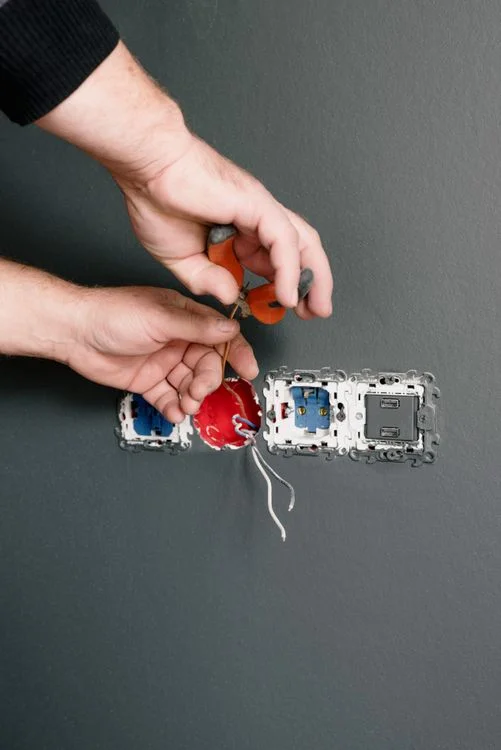
Rewiring sounds daunting, but a skilled electrician can do it with minimal disruption to your home and its character. Depending on your needs, the work may include:
- Replacing old or unsafe wiring with modern, grounded copper wiring
- Upgrading outlets to grounded, and adding GFCI protection in kitchens, baths, and outdoors
- Installing additional circuits and outlets where you actually need them
- Upgrading your panel to support the new wiring and your household's demands
- Bringing everything up to current National Electrical Code standards
Not every older home needs a full rewire. Sometimes targeted updates are enough. The only way to know for sure is a professional evaluation of what's actually behind your walls.
Frequently Asked Questions
Does every old home need to be fully rewired?
No. Many older homes only need targeted updates — grounding key outlets, adding GFCI protection, or replacing a few problem circuits. A full rewire is reserved for homes with widespread, genuinely unsafe wiring. An inspection tells us which camp your home falls into.
Is knob-and-tube wiring always dangerous?
Not automatically, but it's a serious concern — especially when it's been buried in insulation, modified over the years, or paired with an ungrounded system. It should always be evaluated by a licensed electrician.
Will insurance cover a home with old wiring?
Some insurers are hesitant to cover homes with knob-and-tube or aluminum wiring, and others charge more. Updating your wiring can make coverage easier to obtain and give you real peace of mind.
How long does a rewire take?
It varies with the size and scope of the job — a targeted update might take a day or two, while a full-home rewire can take longer. We'll lay out a clear schedule up front and work to keep your household running as normally as possible throughout.
Why Homeowners Trust Grace Electric
Grace Electric is a family-owned, licensed, and insured electrical contractor serving Traverse City and the surrounding counties. We specialize in bringing older homes safely up to date while respecting the home you love. Homeowners choose us because we're:
- Fully licensed, bonded, and insured
- Experienced with knob-and-tube, aluminum, and full-home rewires
- Careful and clean, protecting your home's finishes and character
- Backed by hundreds of five-star reviews from your neighbors